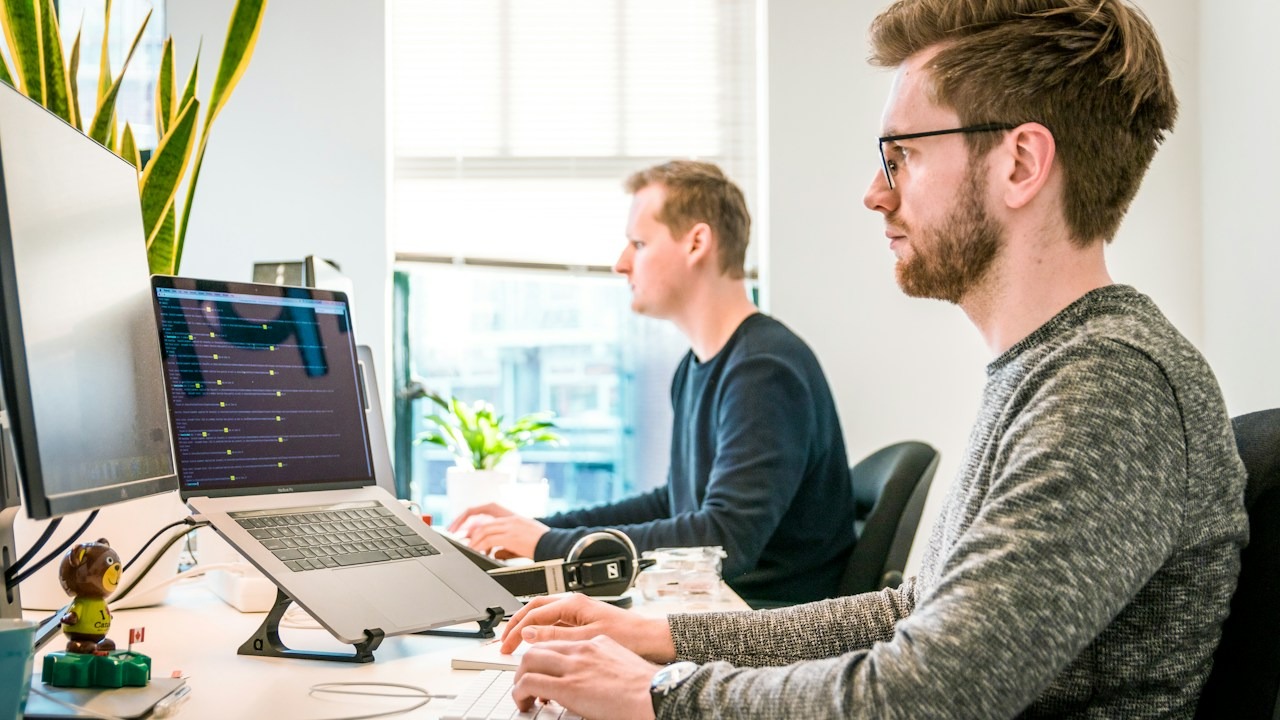
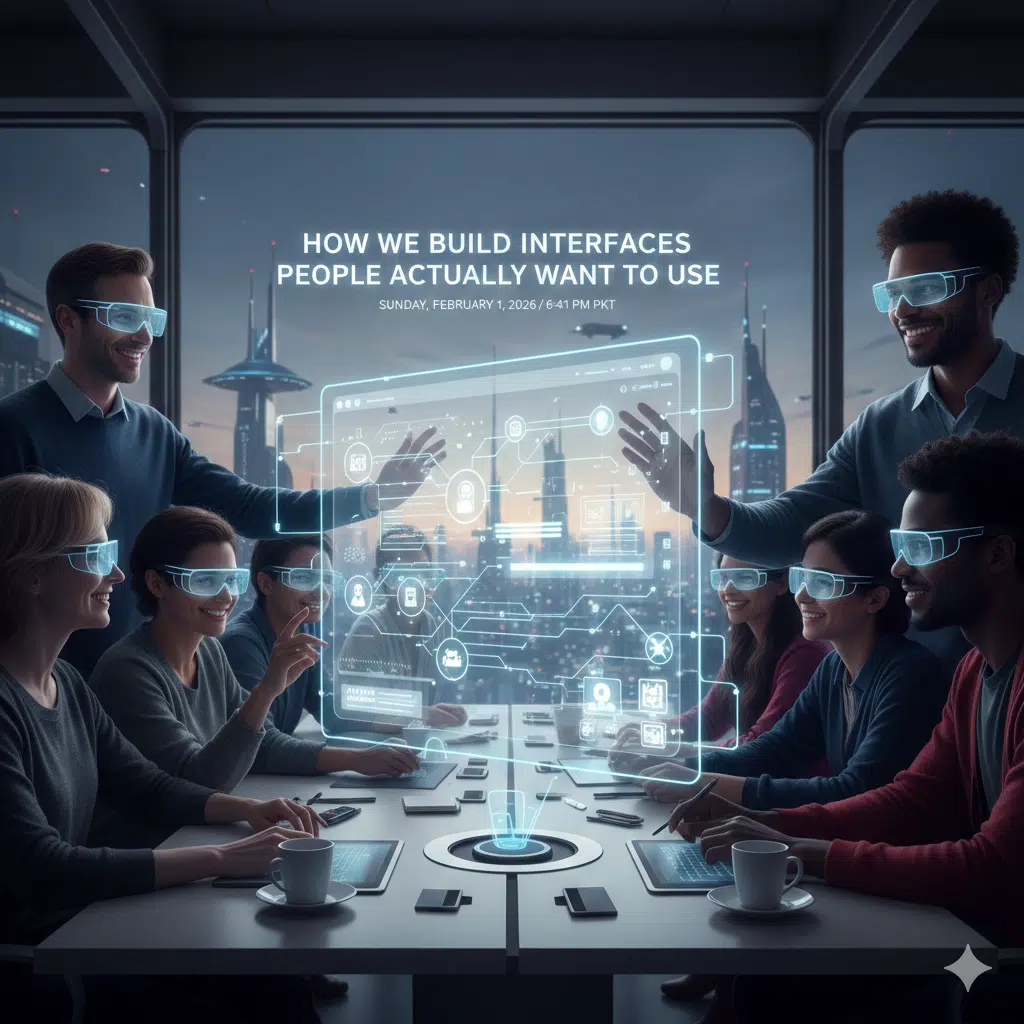
There’s a quiet moment that happens every time someone opens an app or visits a website. It lasts less than a second. In that fraction of time, the human brain scans the screen, processes the layout, and decides whether to stay or leave. Most businesses never think about that moment. They pour resources into backend architecture, database optimization, and server infrastructure all critical, absolutely but the front door of their digital product, the very first thing a user touches, often gets the least attention. At The Softix, we flipped that script. We started asking a different question entirely: not “what can we build?” but “what will people actually enjoy using?” That question became the foundation of everything we do, and it completely changed how we approach interface design from the very first conversation with a client to the final pixel on screen.
The Moment We Stopped Guessing
Early on, like most development teams, we made assumptions. We assumed users would figure things out. We assumed that if the functionality worked correctly, the design didn’t matter much. We assumed clean code meant a clean experience. None of those assumptions held up under real-world testing. The moment everything shifted for us was when we started watching actual people interact with the products we had built. Not developers. Not project managers. Real people the kind of person who would actually use the tool day to day. Watching them struggle, hesitate, click in the wrong places, and eventually abandon features that took us weeks to build was one of the most uncomfortable and valuable experiences we ever had. It taught us something fundamental: a beautiful interface is not about what looks impressive on a portfolio. It is about what feels invisible when someone is using it. The best design is the kind nobody notices, because it just works exactly the way their brain already expected it to.
Reading the Room Before Writing a Single Line
Before any design work begins at The Softix, we spend a significant amount of time simply listening. Not pitching. Not showing templates. Listening. Every client comes to us with a product vision, and buried inside that vision is an entire world of assumptions about who will use it and why. Our job in the early stages is not to validate those assumptions it is to interrogate them gently. We ask questions that most agencies skip entirely. Who is the actual person sitting on the other end of this screen? What are they trying to accomplish, and what is the emotional state they are in when they arrive? Are they in a rush? Are they frustrated with the current solution they are using? Are they technically confident or do they dread opening anything that looks remotely complicated? The answers to these questions become the skeleton of every design decision we make. We are not designing for an abstract user. We are designing for a specific, breathing human being with habits, frustrations, and expectations that have been shaped by every other digital product they have ever used.
Where Intuition Meets Structure
There is a persistent myth in the design world that creativity and logic are opposites. That a designer is either someone who paints beautiful visuals or someone who builds structured systems, but not both. That myth falls apart the moment you start building interfaces that people genuinely love. At The Softix, our design process is deliberately built on the intersection of those two forces. We start with extensive research and wireframing mapping out user flows, identifying friction points, and establishing a logical hierarchy of information before a single color is chosen. But once that structure is in place, the creative work begins in earnest. Typography, spacing, contrast, motion every one of these elements is chosen not randomly but with intention. A button is not just a button. It is a small piece of psychology. Its size tells the user how important the action is. Its color tells them whether it is safe or urgent. Its position tells them where their attention should go. When all of these micro-decisions are made with care and consistency, the result is an interface that feels effortless to navigate, even if the underlying product is extraordinarily complex.
The Layer Where Everything Changes Through Custom Software Development
This is where the real magic happens, and it is also where most cookie-cutter solutions completely fall apart. When a business invests in custom software development, they are not just getting a product that works — they are getting a product that works specifically for them, shaped around the exact workflows, data structures, and user behaviors that define their operation. At The Softix, we treat this layer as the most critical phase of interface design. It is here that we move from general principles to deeply specific decisions. How does data flow through this particular product? What does the user need to see first when they log in on a Monday morning versus a Friday afternoon? Where are the moments of high cognitive load, and how do we reduce them without removing functionality? These are not questions that a template can answer. They require intimate knowledge of the business, the users, and the technical constraints and they require a team that is willing to rebuild assumptions from scratch if the data tells them to. This is the phase where interfaces stop being generic and start feeling like they were made by someone who actually understood the problem.
Testing Like It Actually Matters
A lot of teams treat testing as a final checkbox. Something you do after the product is built, right before it goes live, just to make sure nothing is broken. At The Softix, testing is woven into every stage of the design and development process. We prototype early. We put rough, unpolished versions of interfaces in front of real users and watch what happens. We record where their eyes go. We note the moments of hesitation. We pay attention to the questions they ask out loud, because those questions are almost always pointing directly at a design failure. This iterative cycle of build, test, observe, and rebuild is not something we do once. It is something we do constantly. By the time a product reaches its final stage, it has been tested and refined dozens of times. The interface the user eventually sees is not a first draft. It is the result of a relentless process of listening to real human behavior and adjusting accordingly. That is not perfectionism. That is respect respect for the person who is going to spend their time inside this product every single day.
Designing for the Long Game
One thing that separates the interfaces we build from the ones that fade into obscurity within a year is that we design for longevity. It is easy to build something that looks stunning today. Bold gradients, flashy animations, trendy layouts all of these things can make a product feel impressive at launch. But impressions fade. What lasts is usability. What lasts is the quiet confidence a user feels when they open a product and already know, instinctively, where to go and what to do next. At The Softix, we build with that long-term experience in mind from day one. We establish design systems consistent sets of components, patterns, and principles that allow a product to grow and evolve without losing its coherence. New features can be added months or years later without breaking the visual or logical flow of the existing interface. This is not just good design philosophy. It is good business strategy. A product that ages gracefully is a product that retains users, reduces retraining costs, and continues to deliver value long after the initial excitement has worn off.
The Human Behind Every Click
It is easy, in the world of software development, to lose sight of the fact that every interface is ultimately a conversation between a product and a person. Every button, every transition, every piece of text on the screen is a message. It says “click here” or “you are safe” or “this is important” or “take your time.” At The Softix, we think about those messages constantly. We think about the person who is exhausted at the end of a long day and needs the product to guide them without making them think. We think about the person who is new and intimidated and needs gentle, clear direction without feeling patronized. We think about the person who is an expert and needs speed and precision without unnecessary friction. Designing for all of these people simultaneously is one of the hardest challenges in interface design. But it is also the most rewarding, because when you get it right, you do not just build a product you build a tool that genuinely makes someone’s day a little bit easier. And that, more than any award or testimonial, is the standard we hold ourselves to every single time.
Conclusion
Building interfaces that people actually want to use is not a matter of talent alone. It is a matter of process, patience, and a deep willingness to prioritize the human being over the technology. At The Softix, every interface we design starts with a question and ends with a person. The path between those two points is where the real work lives the research, the testing, the rebuilding, the slow and deliberate refinement that turns a functional product into one that feels genuinely alive. We do not chase trends. We do not copy what works for someone else. We build from the ground up, shaped entirely by the specific needs of the specific people who will use what we create. That is what it means to design with intention. And that is the only way we know how to work.
Share