Mobile app development is evolving rapidly, and businesses that fail to keep up risk losing their competitive edge. In 2026, user expectations, app capabilities, and industry standards are shifting dramatically. Companies that embrace the latest mobile app development trends can deliver superior user experiences, increase engagement, and drive growth. This article explores the top 10 trends in mobile app development, why they matter, and how businesses can leverage them strategically.
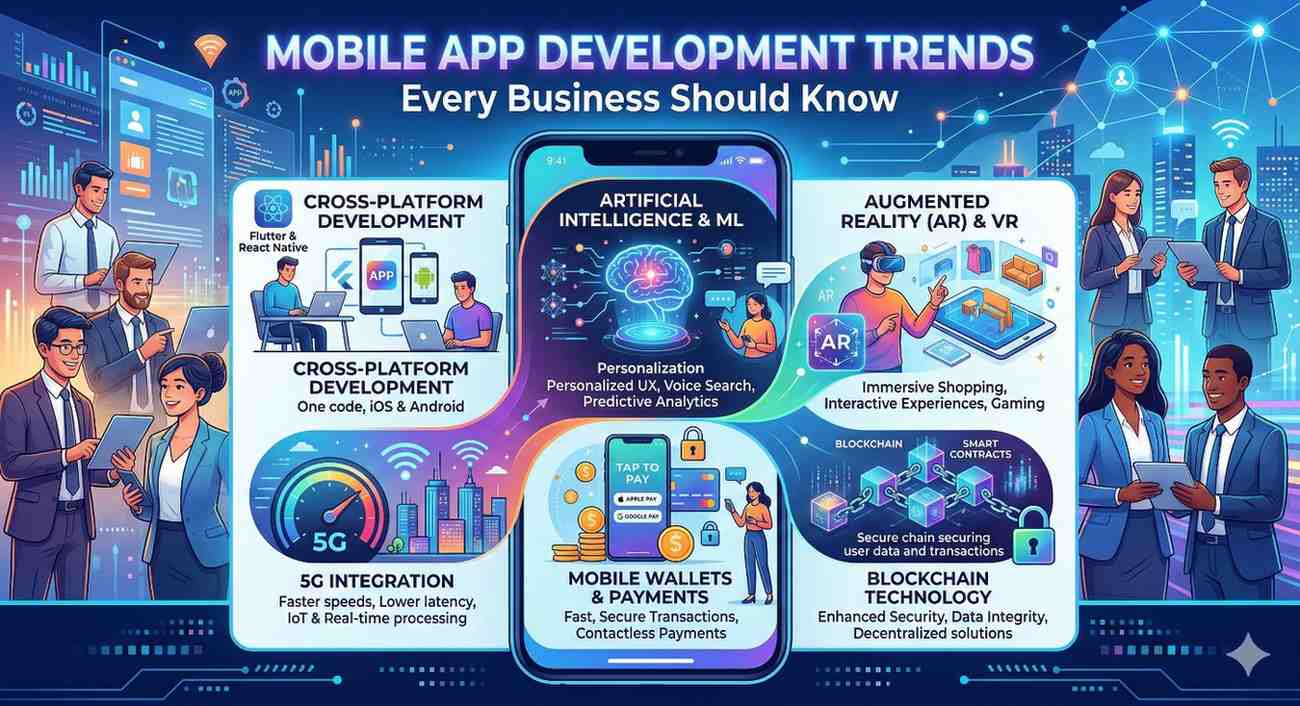
1. Artificial Intelligence (AI) and Machine Learning IntegrationArtificial intelligence (AI) and machine learning (ML) have become integral to modern mobile apps. By analyzing user behavior, these technologies allow apps to provide personalized experiences, predictive recommendations, and automated interactions. For businesses, integrating AI into mobile apps means increased user retention, smarter marketing campaigns, and cost-efficient customer support through AI-powered chatbots. From ecommerce applications recommending products to health and fitness apps creating personalized workout plans, AI and ML are key drivers of engagement and conversion.
2. 5G Technology Enhancing App Performance
The adoption of 5G technology is transforming mobile app capabilities. With faster download speeds and low latency, 5G enables high-quality streaming, real-time collaboration, and immersive experiences such as augmented reality (AR) applications. Businesses can optimize apps for 5G to deliver real-time performance, better cloud integration, and more interactive features. Industries such as gaming, healthcare, and e-commerce benefit greatly from 5G-powered applications, providing seamless experiences that users expect in 2026.
3. On-Device AI and Predictive Intelligence
On-device AI, which processes data locally on the mobile device, is gaining traction due to faster performance, improved privacy, and offline capabilities. Apps with on-device intelligence can power features like voice assistants, smart camera filters, and predictive text without relying on cloud servers. This trend enhances user experience, maintains data security, and ensures apps perform reliably in low-connectivity environments. Businesses integrating on-device AI create smarter, faster, and privacy-focused applications that stand out in a competitive market.
4. Cross-Platform App Development
Cross-platform frameworks such as Flutter and React Native allow developers to create one codebase that works on both iOS and Android. This approach reduces development time, lowers costs, and ensures a consistent user experience. Cross-platform development is particularly beneficial for startups, MVPs, and businesses aiming to reach a wider audience efficiently. By adopting cross-platform solutions, companies can accelerate time-to-market and maintain high-quality mobile experiences across multiple devices.
5. Augmented Reality (AR) and Virtual Reality (VR)
AR and VR are transforming mobile app interactions. Augmented reality overlays digital content onto the real world, while virtual reality immerses users in fully digital environments. Retail brands use AR for virtual product trials, healthcare apps utilize VR for training simulations, and educational platforms enhance learning through interactive experiences. Integrating AR and VR into mobile apps increases engagement, drives conversions, and differentiates a business in crowded marketplaces.
6. Enhanced Mobile App Security and User Privacy
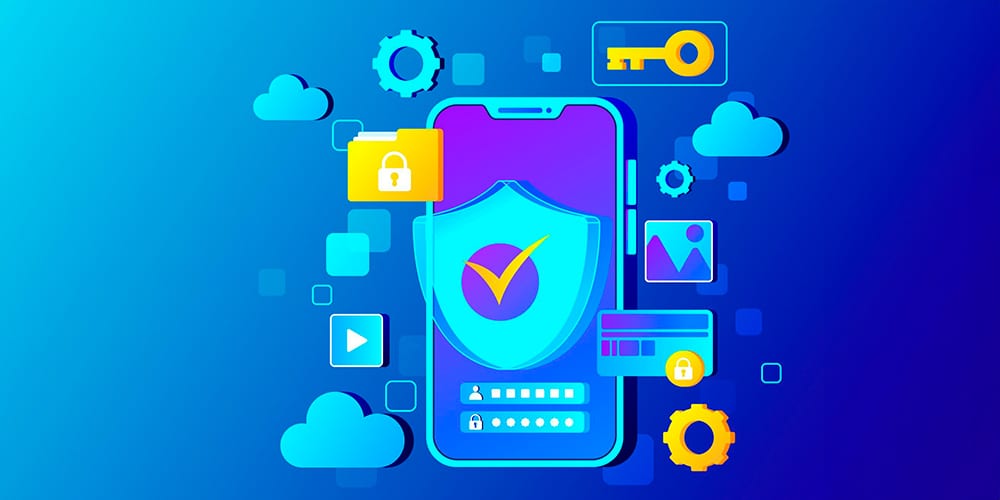
User expectations for security are at an all-time high. Apps that prioritize data privacy and secure interactions gain user trust. Key trends include biometric authentication, end-to-end encryption, secure API integration, and compliance with regulations such as GDPR and CCPA. Businesses that implement strong security measures reduce risks of data breaches, protect brand reputation, and improve customer loyalty. Mobile app security is no longer optional — it is a critical requirement for success in 2026.
7. Conversational AI and Smart Chatbots
Smart chatbots and conversational AI enhance in-app customer support. These tools provide instant responses, automate routine queries, and guide users through processes such as booking, ordering, or troubleshooting. Beyond support, chatbots can personalize recommendations and collect feedback. Businesses leveraging AI-powered chatbots can improve customer satisfaction, reduce operational costs, and drive engagement in a scalable way.
8. Wearable Device Integration and IoT
The Internet of Things (IoT) and wearable devices like smartwatches and fitness trackers are creating new opportunities for mobile apps. Apps connected to wearables can monitor health, provide notifications, and integrate with smart home devices. This seamless connectivity improves user experience and provides businesses with valuable insights into user behavior. Industries such as healthcare, fitness, and logistics benefit significantly from mobile apps integrated with wearables and IoT technology.
9. Data-Driven Personalization
Modern users expect tailored experiences. Mobile apps that leverage analytics and AI to deliver personalized content, notifications, and features see higher engagement, retention, and revenue. Data-driven personalization includes user segmentation, adaptive interfaces, and predictive features that anticipate user needs. Businesses that adopt these strategies build stronger customer relationships and increase lifetime value.
10. Blockchain Integration in Mobile Apps
Blockchain technology extends beyond cryptocurrency into mobile applications. Apps using blockchain provide secure transactions, decentralized data storage, and enhanced transparency. Industries such as finance, healthcare, supply chain, and gaming are adopting blockchain for secure and transparent operations. Integrating blockchain into mobile apps increases trust, reduces fraud, and enables innovative solutions that stand out in highly competitive markets.
Conclusion
Mobile app development in 2026 is defined by intelligence, connectivity, security, and immersive user experiences. Businesses that adopt trends like AI and machine learning, 5G, on-device intelligence, cross-platform development, AR/VR, robust security, conversational AI, wearable integration, data-driven personalization, and blockchain will gain a significant competitive advantage. These trends not only enhance the technological sophistication of apps but also improve user satisfaction, engagement, and retention. Companies that align their development strategies with these trends will create mobile apps that are innovative, secure, and highly effective, ensuring long-term success in a mobile-first world.