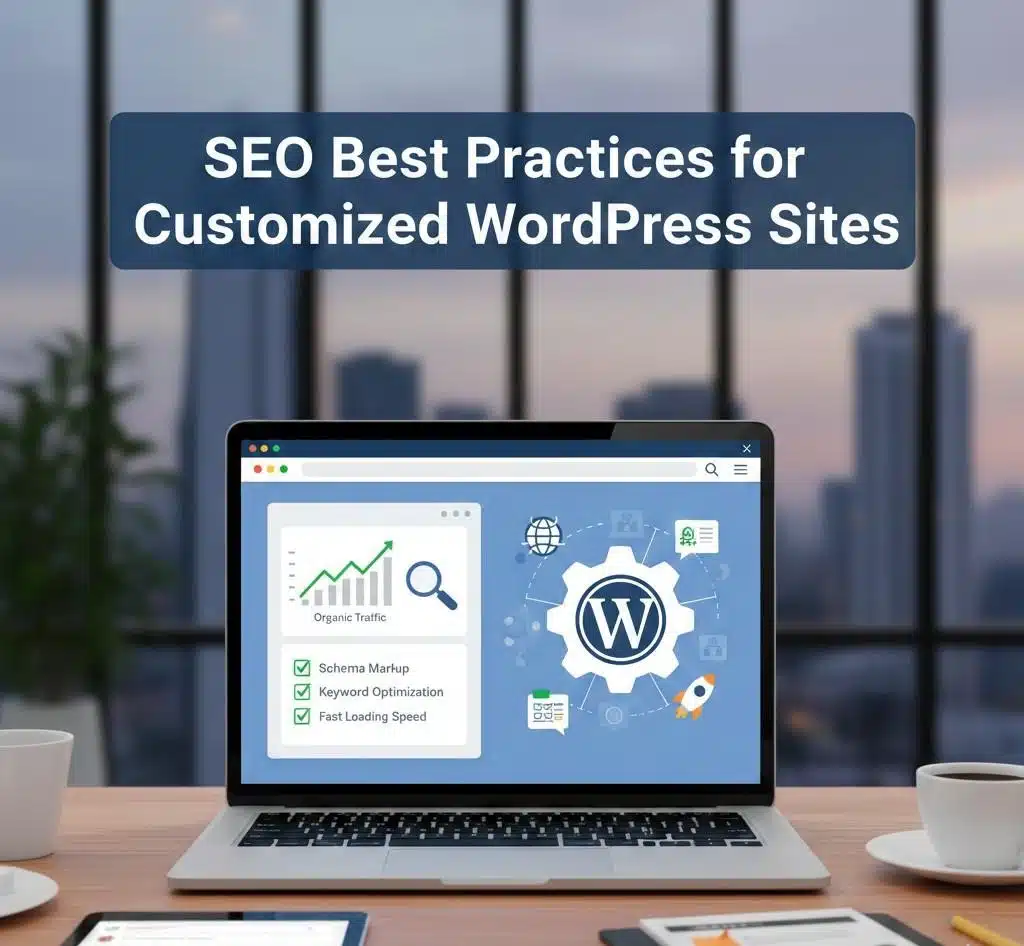
Customizing a WordPress website allows businesses to build a unique online identity that reflects their brand, goals, and customer expectations. However, many website owners focus heavily on visuals and functionality while overlooking a critical factor—search engine optimization. A beautifully customized website will struggle to generate traffic if SEO is not integrated into the design and development process.
When implementing WordPress Theme Customization, every structural and design decision should support search engine visibility. Proper SEO-Friendly WordPress Customization ensures that your website not only looks impressive but also ranks competitively in search results. Below are the most important SEO best practices you should follow when working on customized WordPress websites.
Maintain Clean and Structured Code
During WordPress Development & Customization, additional styling, scripts, and design elements are often introduced. If these elements are poorly implemented, they can create bloated code that slows down your website and makes it harder for search engines to crawl your pages effectively.
Clean coding practices are essential. Structured HTML, optimized CSS, and minimized JavaScript improve performance and enhance crawlability. Professional WordPress Website Customization should always prioritize technical cleanliness to prevent long-term SEO issues. Search engines favor websites that load quickly and follow proper structural standards.
Preserve Proper Heading Hierarchy
When customizing layouts, designers sometimes adjust headings for visual purposes without considering SEO structure. This can damage the logical hierarchy of your content.
Strong WordPress Design Customization ensures that each page includes one clear H1 tag that defines the primary topic, followed by properly structured H2 and H3 tags that organize the content logically. Search engines rely on this hierarchy to understand page relevance and keyword focus. Maintaining a consistent heading structure improves readability for users and clarity for search engines.
Optimize Website Speed After Customization
Customization often introduces new elements such as sliders, background images, animations, and interactive sections. While these features enhance visual appeal, they can negatively impact performance if not optimized correctly.
Speed optimization must be a core part of Custom WordPress Design Services. Image compression, code minification, caching implementation, and script optimization are critical steps. Fast-loading pages reduce bounce rates and improve rankings. A properly optimized Responsive WordPress Design ensures smooth performance across desktop and mobile devices.
Focus on Mobile-First Indexing
Search engines now use mobile-first indexing, meaning they primarily evaluate the mobile version of your website. If your customized design performs poorly on mobile devices, your rankings may suffer.
Effective WordPress Theme Customization ensures that layouts adapt seamlessly to smaller screens. Text should remain readable, images should scale properly, and navigation should be simple and touch-friendly. A mobile-optimized experience not only improves SEO but also increases user engagement and conversion rates.
Protect and Optimize URL Structure
Customization projects sometimes involve restructuring pages, redesigning layouts, or renaming services. These changes can unintentionally affect your URL structure. Poorly managed URLs can lead to broken links, lost rankings, and indexing problems.
During WordPress Website Customization, it is important to maintain clean, descriptive, and keyword-focused permalinks. If URLs must change, proper redirects should be implemented to preserve SEO value. A structured and stable URL system supports long-term visibility.
Improve Internal Linking Strategy
Customized websites often introduce new landing pages, service sections, and blog layouts. This creates an opportunity to strengthen your internal linking structure.
Strategic internal linking is an essential component of SEO-Friendly WordPress Customization. Connecting related blog posts, linking service pages together, and using relevant anchor text helps distribute authority across your website. Internal links also guide visitors through your content, improving engagement and reducing bounce rates.
Optimize Images and Media Files
High-quality visuals enhance the appeal of customized websites, but unoptimized media files can slow down performance. Large images, auto-playing videos, and heavy graphics often reduce loading speed.
During WordPress Development & Customization, image files should be compressed and assigned descriptive alt text. Alt text helps search engines understand image content while improving accessibility. Media optimization ensures your Professional WordPress Design remains visually impressive without sacrificing performance.
Implement Structured Data and Schema Markup
Customized WordPress websites provide flexibility to integrate structured data that enhances search engine understanding. Schema markup helps search engines interpret your content more effectively.
Advanced Custom WordPress Theme Design can include schema for articles, services, FAQs, products, or local businesses. Structured data increases the chances of earning rich snippets in search results, which can significantly improve click-through rates.
Avoid Plugin Overload
One common issue with customized WordPress websites is relying on too many plugins. While plugins can add functionality, excessive usage may lead to slower performance and security risks.
Reliable WordPress Customization Services aim to balance functionality with efficiency. Instead of installing multiple plugins for minor features, developers can integrate lightweight custom solutions. Reducing plugin dependency improves speed, security, and long-term SEO stability.
Secure Your Customized Website
Security plays a larger role in SEO than many website owners realize. A compromised website can lose rankings, display warnings to users, and damage credibility.
As part of WordPress Website Customization, implementing SSL certificates, secure hosting, regular updates, and malware protection is essential. A secure website builds trust with users and search engines alike, protecting both reputation and visibility.
Continuously Monitor and Improve
SEO is not a one-time task completed after customization. Once your WordPress Theme Customization project is launched, ongoing monitoring is necessary. Tracking performance metrics such as page speed, keyword rankings, mobile usability, and crawl errors helps identify areas for improvement.
Continuous refinement ensures your SEO-Friendly WordPress Customization efforts remain effective as algorithms and user behaviors evolve.
Final Thoughts
Customizing a WordPress website provides incredible flexibility and branding opportunities, but SEO must remain at the core of every design and development decision. The most successful websites integrate visual creativity with technical optimization.
By combining strategic WordPress Development & Customization, strong Responsive WordPress Design, and performance-driven Professional WordPress Design, businesses can create websites that not only attract visitors but also rank competitively in search results.
A customized website should do more than look good. It should load quickly, function smoothly, and communicate clearly with search engines. When SEO and customization work together, your WordPress site becomes a powerful engine for sustainable online growth.
Share